

Most students are preparing for exams.
But are they actually prepared for life after school?
In 2026, that question matters more than ever.
The workplace is changing fast. Jobs are evolving, expectations are higher, and success now depends on more than just academic knowledge. Schools are starting to recognize this shift, and they’re adapting how students learn.
Table of Contents
Why This Shift Matters
The future workforce is not just about degrees or grades.
Employers are looking for people who can think clearly, communicate effectively, and adapt to change. These are skills that cannot be developed overnight, they need to be built over time, inside classrooms.
According to the U.S. Department of Education, preparing students for college and careers requires both academic learning and practical skill development.
➤ https://www.ed.gov/
What Skills Do Students Need Today?
To succeed in modern workplaces, students need more than subject knowledge. They need skills that help them navigate real-world situations.
Some of the most important skills schools are focusing on include:
- communication and teamwork
- problem-solving and critical thinking
- time management and responsibility
- adaptability and willingness to learn
These skills are becoming just as important as academic performance in 2026.
Learning Is Becoming More Practical
One of the biggest changes in 2026 is how students learn.
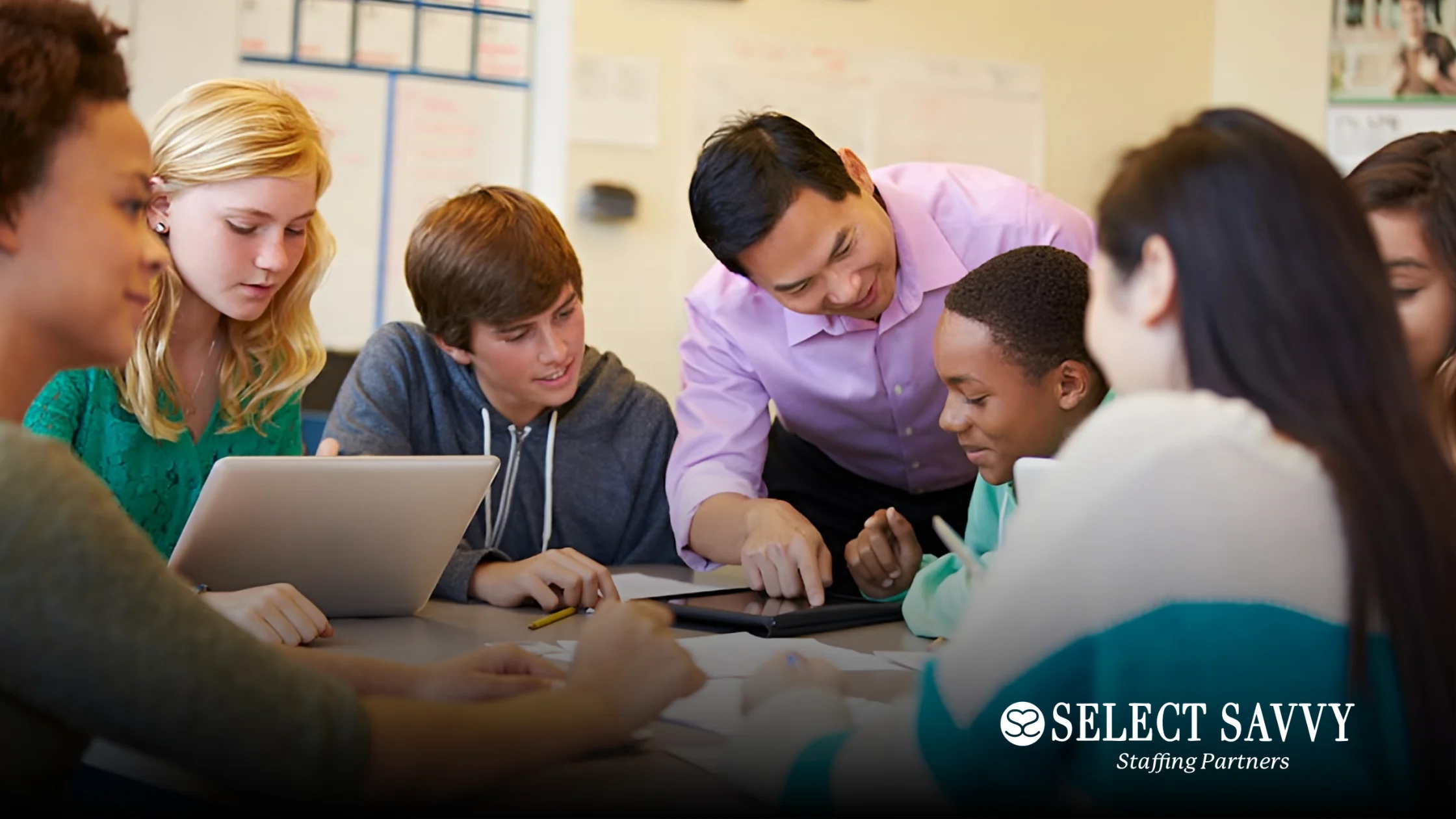
Instead of only focusing on textbooks, classrooms are becoming more interactive. Students are working on projects, solving real-life problems, and learning how to apply concepts in different situations.
For example, a student may understand a topic in class but struggle to explain it during a discussion or apply it in a real-life scenario. Schools are now focusing on closing this gap, helping students not just learn, but actually use what they know.
Career Awareness Is Starting Earlier
Schools are no longer waiting until high school to introduce career ideas.
Students are being exposed to different career paths at a younger age. This helps them connect classroom learning with future opportunities and keeps them more engaged.
When students understand why they are learning something, they are more likely to stay motivated and take ownership of their progress.
How Schools Are Building Workforce Readiness
Schools are taking practical steps to prepare students for real-world environments.
Some of the key approaches include:
- introducing project-based learning
- encouraging discussions and presentations
- providing career exploration opportunities
- connecting lessons to real-life situations
These changes make learning more meaningful and help students build confidence over time.
Technology Is Now Part of Everyday Learning
Technology is no longer optional, it’s part of almost every career.
Schools are helping students become comfortable with digital tools and online learning environments. But beyond that, they are teaching students how to adapt to new technologies and continue learning as things change.
In 2026, being able to learn and adapt is just as important as what you already know.
Support Systems Play a Key Role
Preparing students for the future is not something teachers do alone.
Strong support systems make a real difference. Schools are working closely with counselors, therapists, and other specialists to guide students through both academic and personal challenges.
These professionals help students:
- understand their strengths
- build confidence
- plan for future goals
At Select Savvy, we connect schools with experienced professionals who support both learning and long-term student success.
➤ Explore school-based opportunities and support here:
https://selectsavvy.com/job-search
Preparing Every Student for the Future
One of the most important changes in 2026 is the focus on inclusion.
Schools are making sure that all students, including those who need extra support have access to the tools and guidance they need.
Because preparing students for the workforce should not be limited to a few.
It should be accessible to everyone.
Final Thoughts
Preparing students for the future is no longer just about academics.
It’s about helping them build the skills, confidence, and mindset they need to succeed in real life.
When schools combine practical learning, strong support systems, and early career awareness, students don’t just graduate, they move forward with clarity and confidence.
Because in the end, success is not just about passing exams.
It’s about being ready for what comes next.