

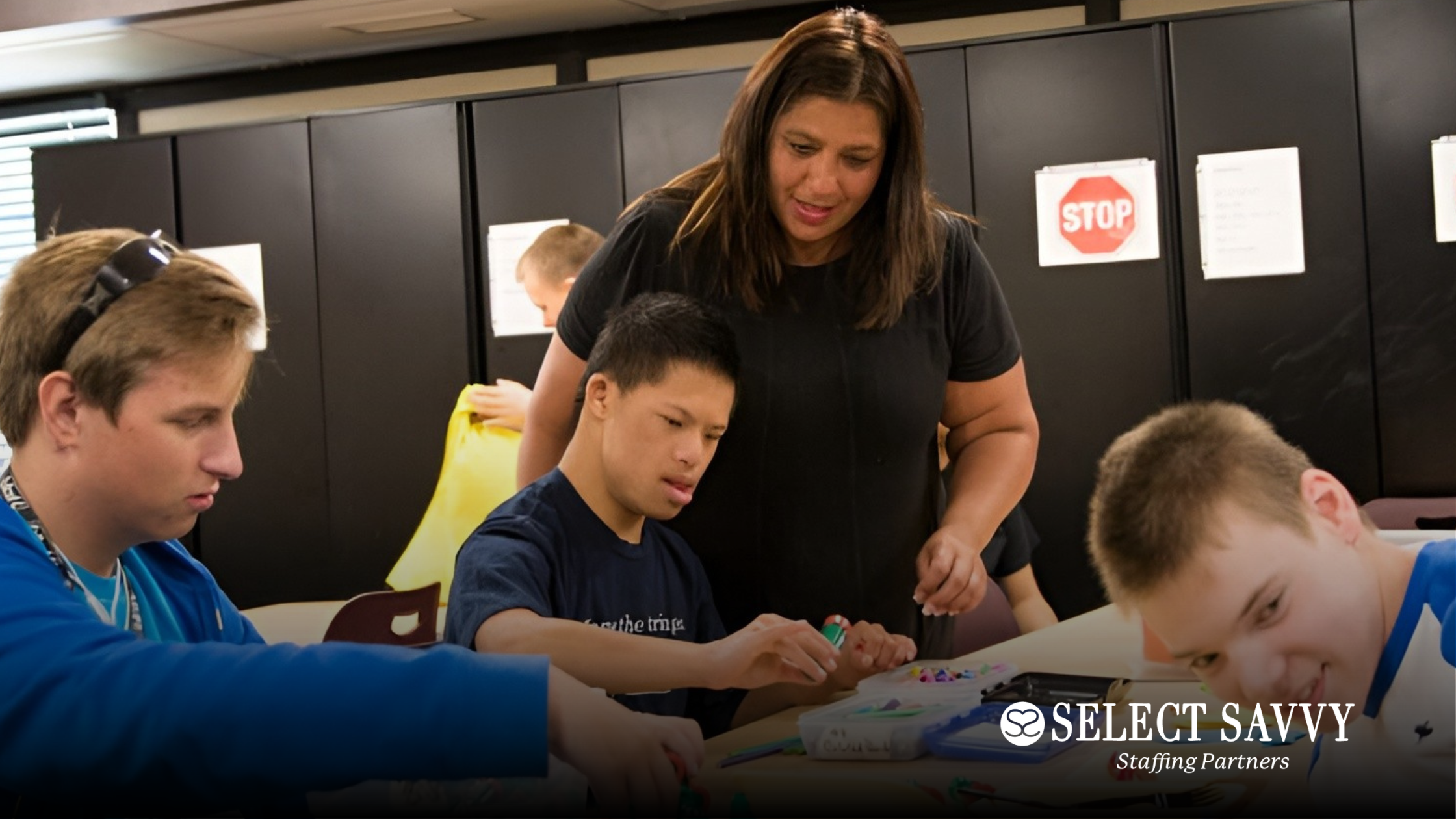
Keeping high school students engaged is not always easy especially in special education classrooms where every student has different learning needs.
Indoor activities can make a big difference.
The right activities don’t just pass time, they help students build communication skills, independence, confidence, and focus. In 2026, schools are focusing more on inclusive learning strategies that support both academic and life skills.
Here are 5 indoor learning activities for high school special education students that are simple, effective, and easy to use in real classrooms.
Table of Contents
1. Life Skills Role Playing
Role playing is one of the most effective ways to teach real world skills.
Students can practice everyday situations like:
- ordering food independently at a restaurant or cafe
- attending a job interview
- asking for help
- handling social conversations

This activity helps improve communication skills, decision making, and confidence.
It also prepares students for life after graduation, which is a key goal in special education programs.
According to the IRIS Center (Vanderbilt University), structured practice and real-life scenarios help students develop practical skills for independence.
https://iris.peabody.vanderbilt.edu/
2. Interactive Group Discussions
Group discussions help students learn how to express ideas and listen to others.
Teachers can choose simple, relatable topics like:
- career options and future goals
- Real life situations (jobs, interviews, independence)
- current events and student opinions
This activity supports:
- social interaction
- listening skills
- confidence in speaking

For students who struggle with communication, visual aids or prompts can make participation easier.
3. Hands On Learning Stations
Not every student learns best through lectures.
Setting up hands-on learning stations allows students to explore concepts in different ways.
Examples include:
- puzzles and problem-solving tasks
- sorting and matching activities
- simple science experiments
- functional math exercises

This approach supports different learning styles, which is essential in special education classrooms.
Hands-on activities also improve focus and engagement, especially for students who find it difficult to sit through long lessons.
4. Technology Based Learning Activities
In 2026, technology is playing a bigger role in special education.
Using simple tools like:
- educational apps
- interactive videos
- speech-to-text tools
can help students learn at their own pace.
Technology supports:
- personalized learning
- communication development
- independent work

The U.S. Department of Education highlights how assistive technology improves learning access for students with disabilities.
https://sites.ed.gov/idea/
When used correctly, technology becomes a powerful support tool not a distraction.
5. Creative Expression Activities
Creative activities help students express themselves in ways that traditional learning cannot.
Examples include:
- drawing or painting
- storytelling
- resume writing or short personal statements
- music-based activities
These activities support:
- emotional expression
- creativity
- stress reduction

They also help teachers better understand each student’s strengths and interests.
Creative expression is especially important for students who may struggle with verbal communication.
Why These Activities Matter in 2026
Special education is no longer just about academics.
Schools are now focusing on:
- life skills development
- student independence
- social and emotional growth
Activities like these help students build skills they will use beyond the classroom.
They also create a more inclusive and engaging learning environment, where every student has the opportunity to participate and succeed.
Supporting Classrooms With the Right Professionals
While activities are important, having the right support team is just as critical.
Special education teachers, therapists, and support staff play a key role in implementing these strategies effectively.
Organizations like Select Savvy help schools connect with professionals who understand special education classroom needs and student support strategies.
➤ Explore school based opportunities and staffing support here:
https://selectsavvy.com/job-search
Final Thoughts
The best indoor learning activities are not complicated.
They are simple, purposeful, and focused on helping students grow.
By using activities like role-playing, group discussions, hands-on learning, and creative expression, schools can create classrooms where students feel supported, confident, and engaged.
In 2026, the goal is clear:
help every student build skills for both school and life.
And the right activities are a great place to start.