

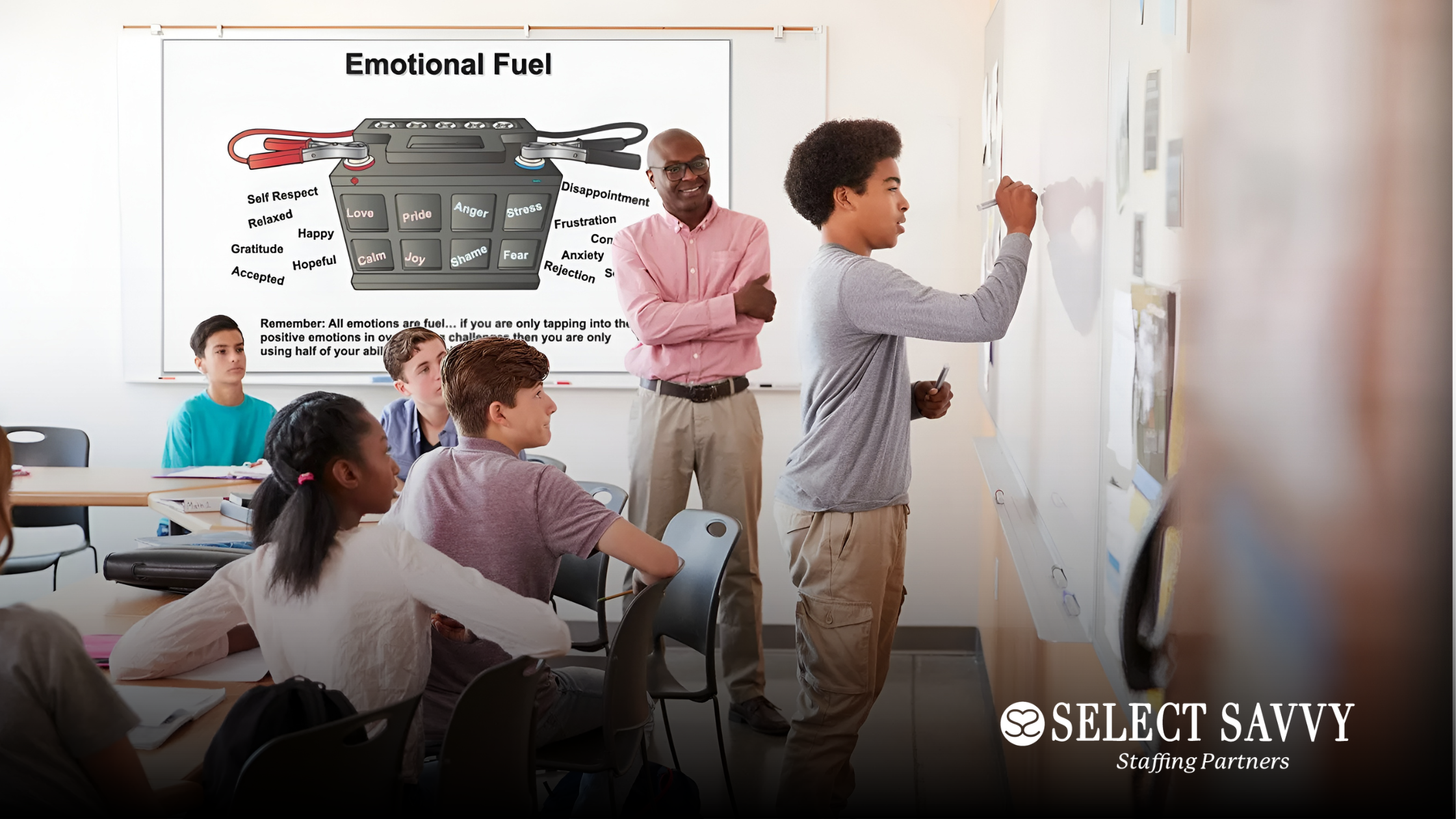
In today’s classrooms, teachers are supporting students with many different learning and behavioral needs. While educators work hard to create positive learning environments, some students require additional behavioral support to succeed in school.
This is where Board Certified Behavior Analysts (BCBAs) play an important role.
BCBAs help schools understand student behavior, develop effective support strategies, and create structured plans that allow students to succeed academically and socially. As behavioral and emotional challenges increase in schools, the demand for BCBAs in school settings continues to grow in 2026.
Table of Contents
What Does a BCBA Do in a School Setting?
A Board Certified Behavior Analyst (BCBA) is a trained professional who specializes in understanding and improving behavior through evidence-based strategies.
In schools, BCBAs typically work with:
- students with autism
- students with behavioral challenges
- students receiving special education services
Their goal is to help students build positive behaviors that support learning and classroom participation.
BCBAs often:
• conduct behavioral assessments
• develop Behavior Intervention Plans (BIPs)
• support teachers with classroom strategies
• monitor student progress
• collaborate with special education teams
According to the Behavior Analyst Certification Board, behavior analysis is widely used in education to improve student outcomes and learning environments.
https://www.bacb.com/about-behavior-analysis/
Because behavior challenges can affect both academic progress and classroom stability, schools increasingly rely on school-based behavior analysts to support students and teachers.
Why Behavioral Support Is More Important Than Ever
Across the United States, schools are seeing an increase in students who require behavioral and emotional support. Many educators report that student behavior challenges have become more complex in recent years.
BCBAs help schools address these challenges by identifying the root causes of behavior and developing strategies that support positive change.
For example, instead of simply reacting to disruptive behavior, BCBAs analyze why the behavior is happening. They then create structured plans to help students learn more effective ways to communicate, participate, and regulate emotions.
This approach helps students build long-term skills while improving classroom learning conditions for everyone.
How BCBAs Support Teachers and School Staff
Behavior support in schools is most effective when teachers and specialists work together.
BCBAs collaborate with:
- special education teachers
- school psychologists
- therapists
- classroom teachers
- administrators
Together, these teams develop strategies that help students succeed academically and socially.
For teachers, having a behavior specialist in schools can make a major difference. BCBAs provide guidance on classroom strategies, behavior management techniques, and individualized interventions.
This support reduces teacher stress and helps create more stable learning environments.
Supporting Students with Autism and Special Needs
One area where BCBAs have a major impact is supporting students with autism and developmental disabilities.
Applied Behavior Analysis (ABA), the science used by BCBAs, is one of the most widely recognized approaches for supporting individuals with autism.
Research from the Centers for Disease Control and Prevention (CDC) highlights how early behavioral intervention can improve communication, social skills, and learning outcomes for students with autism.
➤ https://www.cdc.gov/autism/index.html
In school settings, BCBAs use these strategies to help students:
✔ develop communication skills
✔ improve social interaction
✔ reduce disruptive behaviors
✔ build independence in the classroom
These improvements help students participate more fully in school activities and learning opportunities.
The Growing Demand for BCBAs in Schools
As student support needs continue to grow, many districts are increasing their investment in school based behavioral support services.
Schools are recognizing that strong behavioral support systems help:
• improve student outcomes
• reduce classroom disruptions
• support teacher retention
• strengthen inclusive education programs
Because of this, the demand for BCBA school services and behavioral specialists continues to rise across the education sector.
Building Strong Student Support Teams
Behavior analysts are most effective when they are part of a larger support system that includes educators, therapists, and school specialists.
Organizations like Select Savvy help schools connect with qualified professionals who understand the unique needs of school environments.
Through specialized education staffing services, schools can find experienced BCBAs and other support professionals who help students succeed both academically and behaviorally.
➤ Explore current opportunities and school-based roles here:
https://selectsavvy.com/job-search
Final Thoughts
Student success depends on more than academic instruction. Behavioral support, emotional development, and positive learning environments are equally important.
BCBAs play a key role in helping schools create these environments by identifying behavior patterns, developing intervention strategies, and supporting both students and educators.
As schools continue to focus on inclusive education and student well-being in 2026, Board Certified Behavior Analysts will remain essential members of school support teams.
Their work helps students develop the skills they need to succeed in school and beyond.