

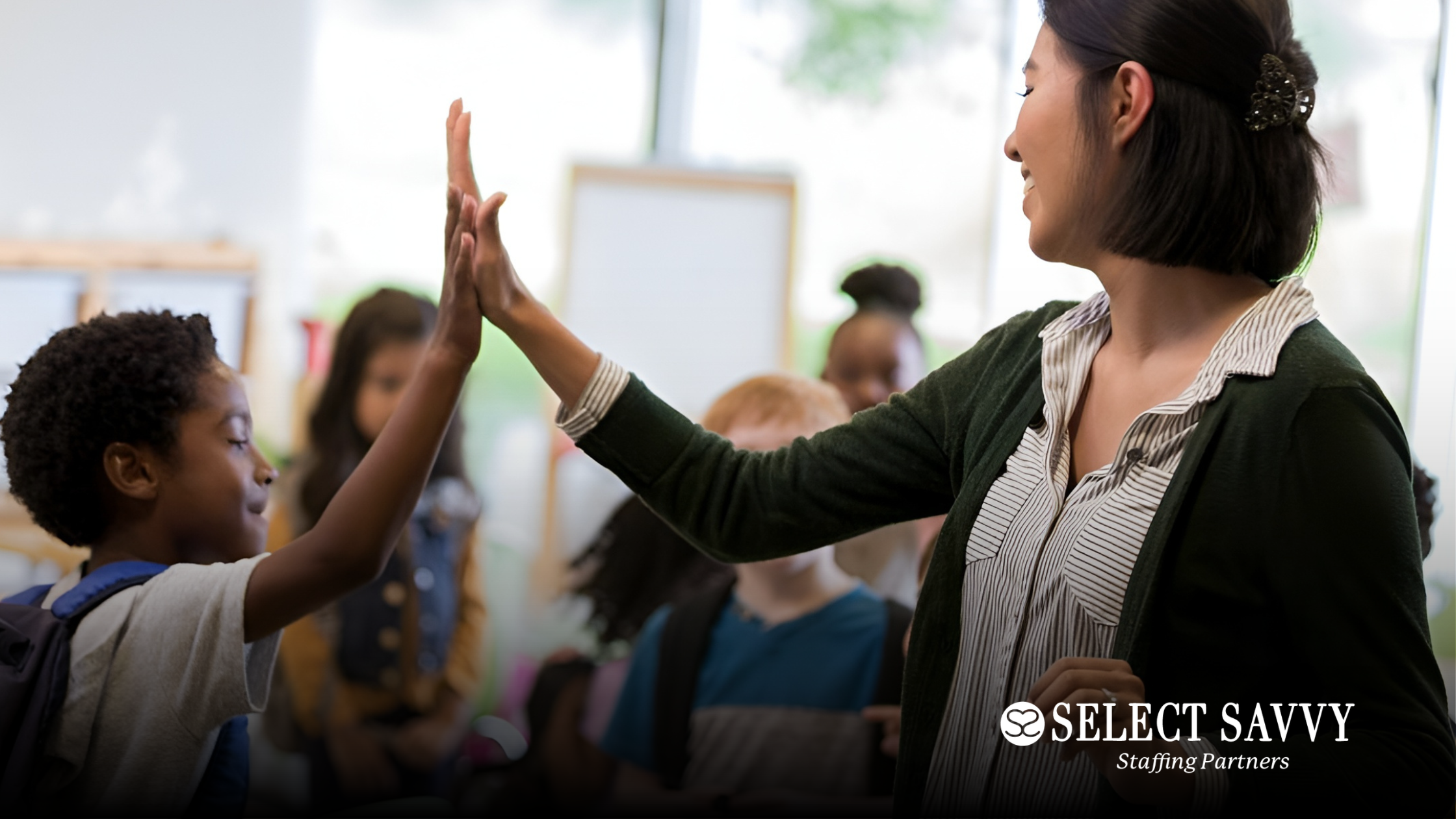
In 2026, schools are facing challenges that go far beyond academics.
Students are dealing with higher levels of anxiety, attention difficulties, behavioral concerns, and emotional stress than ever before. Teachers are managing larger classrooms and more complex needs. Families expect stronger mental health support within schools.
This is why every school needs a school psychologist in 2026.
School psychologists are no longer optional support staff. They are essential to student success, school stability, and long-term performance.
Table of Contents
What Does a School Psychologist Actually Do?
A school psychologist works inside the school system to support students academically, emotionally, and behaviorally.
Their role includes:
- Conducting learning and behavior evaluations
- Supporting IEP and 504 plans
- Providing crisis intervention
- Helping students manage anxiety and stress
- Supporting teachers with classroom strategies
- Working with families to improve student outcomes
According to the National Association of School Psychologists (NASP), school psychologists help create safe, supportive learning environments and improve both academic and mental health outcomes.
Source:https://www.nasponline.org/about-school-psychology/who-are-school-psychologists
Their focus is not therapy in a clinic. It is support within the school environment.
Student Mental Health Is a Growing Concern
In recent years, schools have reported significant increases in student mental health needs.
The Centers for Disease Control and Prevention (CDC) reports rising rates of anxiety, depression, and emotional distress among youth.
When these needs go unaddressed, schools often see:
- Increased behavioral disruptions
- Higher absenteeism
- Lower academic performance
- Greater teacher burnout
School psychologists play a critical role in early identification and prevention.
They Strengthen Special Education Services
More than 15% of public school students receive special education services, according to the National Center for Education Statistics (NCES).
Source: https://nces.ed.gov/programs/coe/indicator/cgg
School psychologists are central to:
- Conducting evaluations for special education eligibility
- Supporting Individualized Education Programs (IEPs)
- Monitoring student progress
- Ensuring compliance with IDEA requirements
Without qualified school psychologists, schools risk delays in evaluations and service delivery which can lead to compliance issues and frustration for families.
School Psychologists Improve School Climate
A strong school psychologist does more than support individual students.
They help improve overall school climate by:
- Training teachers on behavior support strategies
- Supporting social-emotional learning programs
- Leading crisis response planning
- Reducing suspensions and disciplinary incidents
When students feel safe and supported, classrooms function better and teachers can focus on instruction.
The Demand for School Psychologists Is Rising in 2026
The U.S. Bureau of Labor Statistics (BLS) projects continued growth in psychology-related roles.
Source: https://www.bls.gov/ooh/life-physical-and-social-science/psychologists.htm
However, many districts report shortages of qualified school psychologists. This shortage creates pressure on existing staff and delays student services.
As mental health support becomes a core priority in K–12 education, the demand for school-based psychologists continues to grow.
Why Strong School Psychology Staffing Matters
Schools that invest in proper staffing see measurable benefits:
✔ Faster student evaluations
✔ Stronger IEP implementation
✔ Better mental health support
✔ Reduced behavioral incidents
✔ Improved teacher retention
✔ Greater compliance stability
In 2026, strong school psychology staffing solutions will directly impact school performance.
How Schools Can Prepare
To meet growing demand, schools should:
Plan staffing proactively
Analyze student data and anticipate evaluation needs.
Support retention
Provide manageable caseloads and collaborative support teams.
Partner with specialized education staffing providers
Working with experienced partners ensures access to licensed, school-based psychologists who understand educational settings.
Select Savvy specializes in connecting schools with qualified, pre-screened school psychologists and other special education professionals.
➤ Explore school-based psychology roles and staffing support here:
https://selectsavvy.com/job-search
Final Thoughts
In 2026, academic success cannot exist without emotional and behavioral support.
School psychologists help students manage stress, overcome learning barriers, and build resilience. They support teachers. They strengthen compliance. They improve school culture.
Every school needs a school psychologist not just to respond to challenges, but to prevent them.
Because when students feel supported, they succeed.